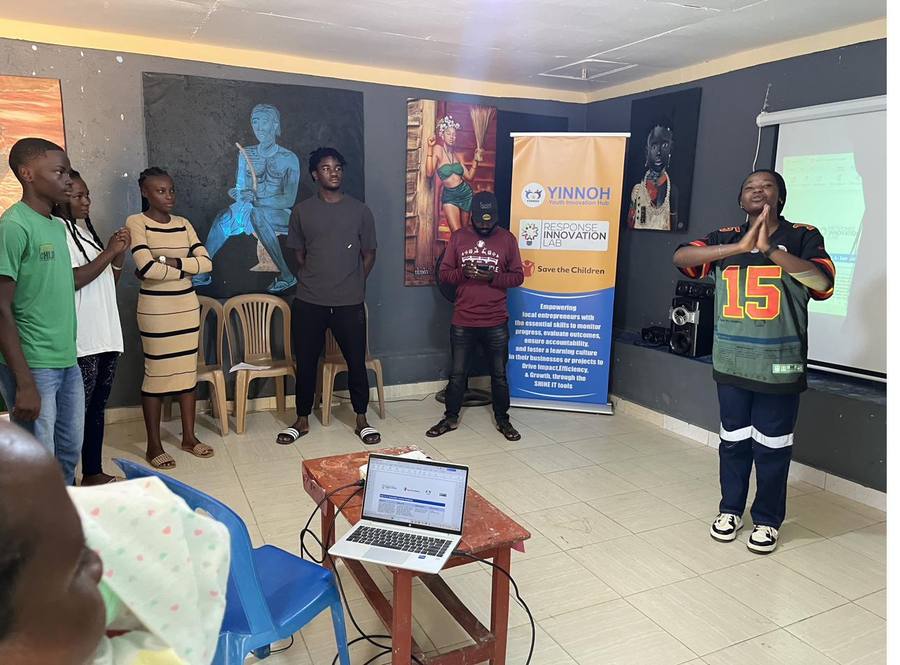
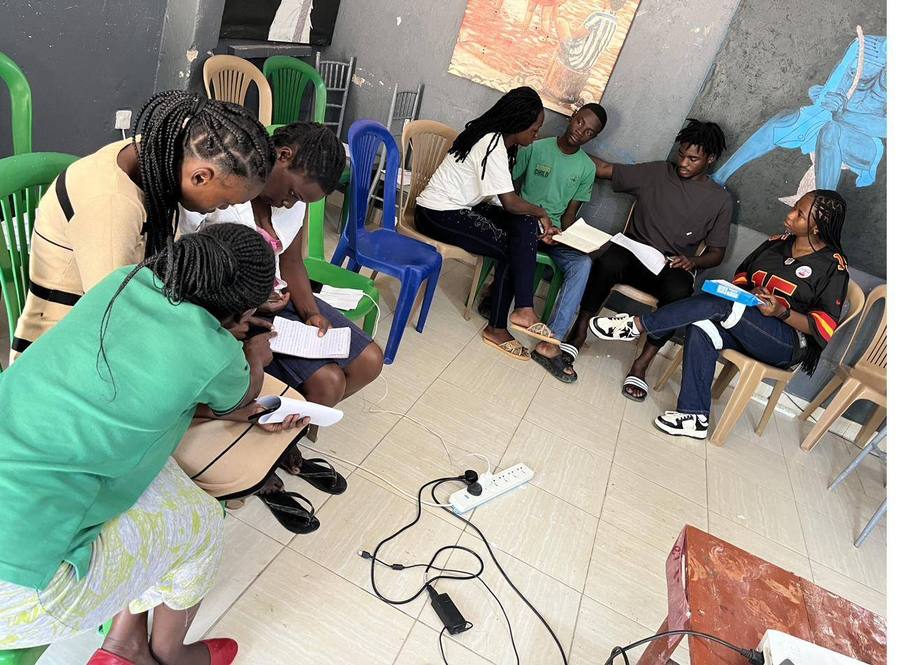
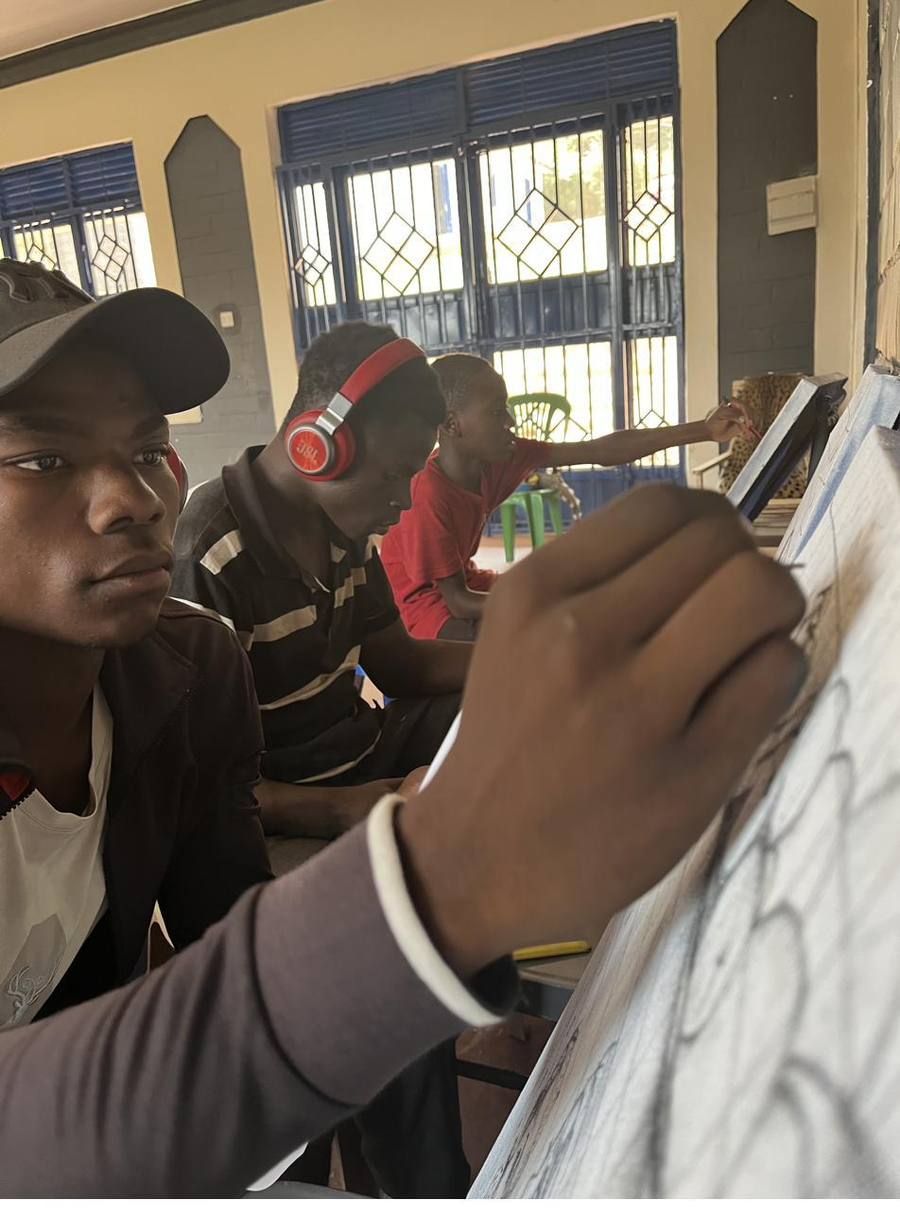
A four-stage journey — built on the understanding that skills alone are not enough. Young refugees need personal transformation, professional readiness, and entrepreneurial resilience, in that order.
Project-based learning is central to everything we do. Scholars don't study abstract business theory — they build their own ventures from day one. Their ideas become their education.
The model recognises that refugees face layered barriers: trauma, language, financial exclusion, and a lack of social capital. Each stage of our programme directly addresses one of those barriers, in sequence, so no one is set up to fail.
Before anything else, scholars rebuild their sense of self. GreenHut combines trauma-informed healing, psychosocial support, non-violent communication, and life coaching to restore confidence, stability, and purpose.
Scholars are matched with trained life coaches who guide them through setting personal goals and milestones. The foundation built here — emotional regulation, healthy habits, a personal mission statement — is what makes everything that follows possible.
You cannot build a business without first believing you can.
Scholars learn human-centred design and entrepreneurial thinking — how to identify pressing community challenges and develop business ideas that deliver both profit and social impact.
They learn market systems, value chains, and community-based business models. Ideas are pressure-tested. Teams are formed. Mentors engage for the first time. By the end of Explorer, every scholar has a validated business concept ready to build.
The incubation phase. Scholars develop, prototype, and pitch their ventures under intense mentoring. They receive seed capital awards, business design support, and real-world testing of their models.
Ideas become enterprises. Enterprises become plans. Plans become pitches in front of investors and community leaders. Scholars graduate this stage with active businesses — not just ideas on paper.
Graduates access legal support, market connections, and ongoing mentorship from successful refugee alumni. This is where businesses move from the hub into the community.
The DoMore stage creates a self-reinforcing cycle: today's scholars become tomorrow's mentors. Successful alumni guide new cohorts, building the social capital and peer networks that traditional aid models can never provide.
Yinnoh's work sits at the intersection of youth empowerment, social entrepreneurship, and digital inclusion.
Equipping youth to identify community challenges and build viable social enterprises — creating job creators, not job seekers.
Life coaching, non-violent communication, mindset work, and enterprise skills — developing the whole person, not just the business.
Digital literacy, e-learning platforms, and technology training to broaden opportunities and enhance connectivity.
Tailored empowerment addressing trauma, financial exclusion, language barriers, and skills gaps specific to refugee contexts.
Integrating climate-smart agriculture and renewable energy into livelihood programmes for long-term environmental resilience.
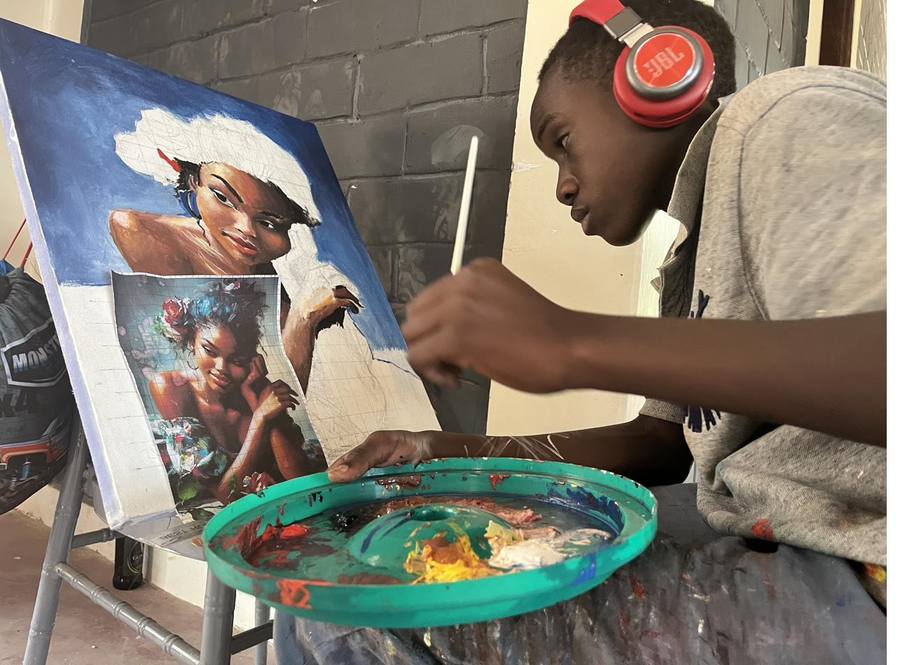
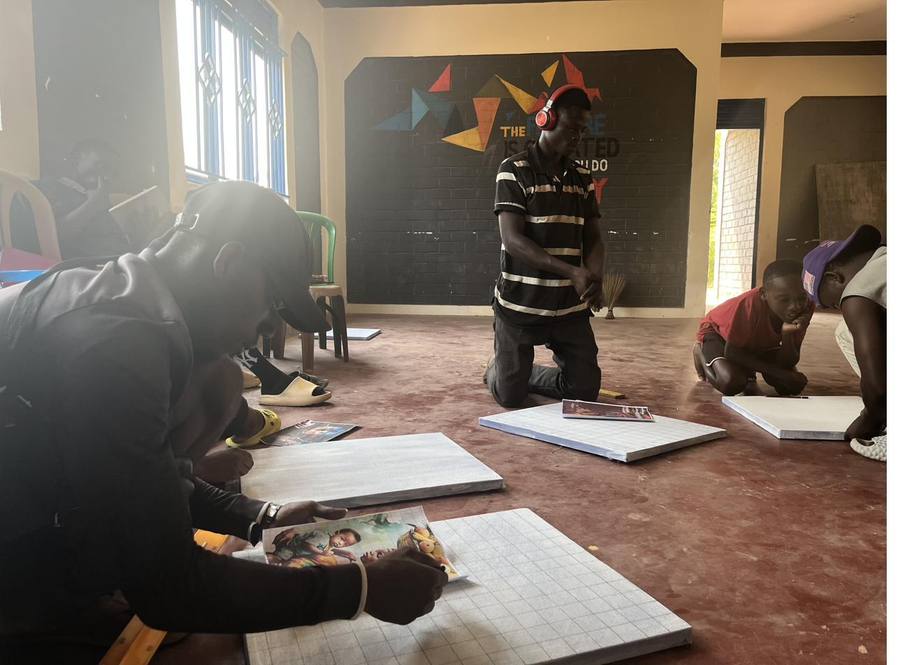
Using storytelling, music, and art as tools for trauma recovery, reconciliation, and community cohesion.
Yinnoh currently operates across four locations in Uganda, with two active innovation hubs serving over 100 young people daily.
Yinnoh partners with leading organisations to implement proven frameworks, adapted for refugee contexts. We act as a bridge — translating partner models into locally owned, community-embedded initiatives.
Yinnoh has adopted and localised SINA's youth empowerment framework, guiding our entrepreneurship training and social innovation programmes across Rwamwanja and Bidibidi. This collaboration ensures our interventions are evidence-based and contextually relevant.
EU-funded entrepreneurship and vocational training programme, implemented by Yinnoh within refugee settlement communities — combining enterprise training with community development outcomes.
Climate Adaptation and Diversification Initiative — integrating climate-smart agriculture and renewable energy solutions into Yinnoh's youth livelihoods programming for long-term environmental and economic resilience.
Community-based youth development programming delivered in partnership with Save the Children Uganda, combining Yinnoh's empowerment model with SCI's child and youth protection frameworks.
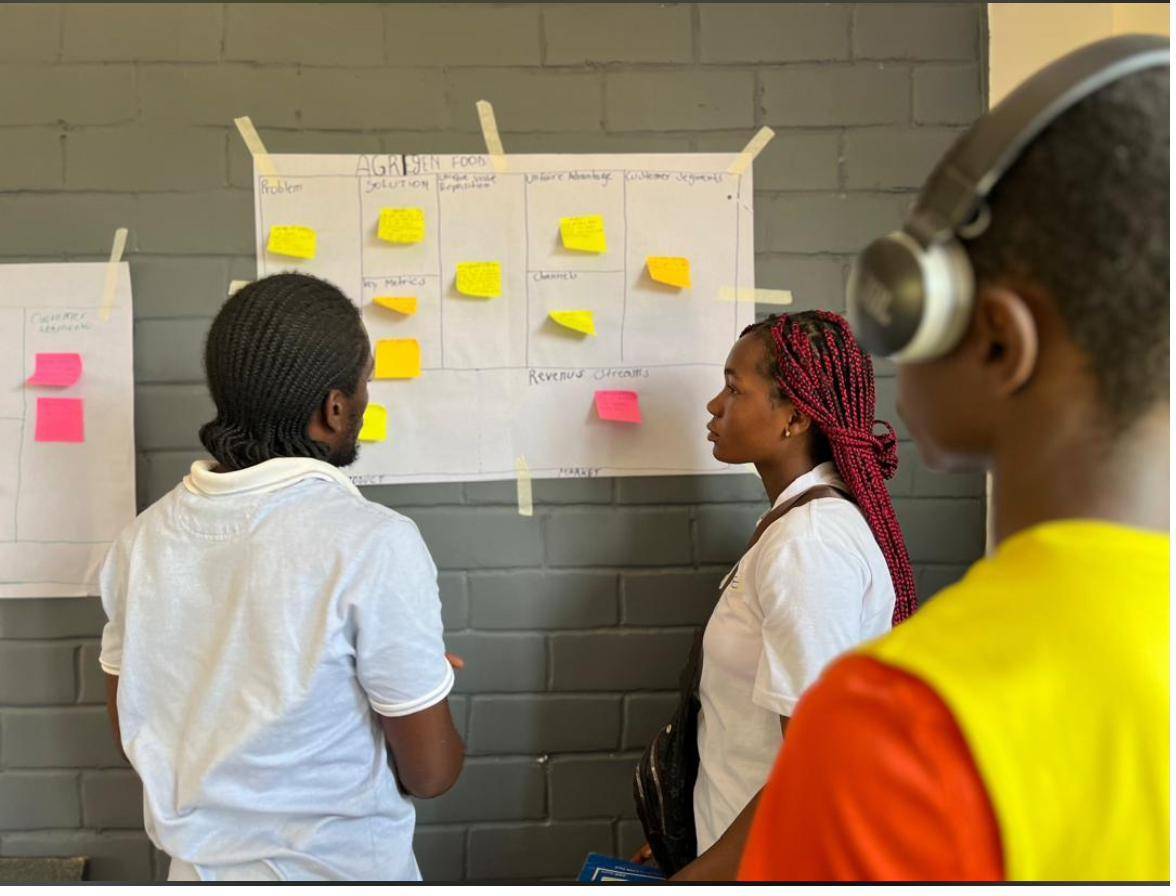
These are the businesses our scholars are building — not case studies in a report, but operating enterprises in their communities.
Founded by Yinnoh scholars in Rwamwanja, Kwetu Culture is a community-rooted healing and empowerment enterprise using art, storytelling, music, and dialogue circles. Grounded in trauma-informed practices and neuroscience, it creates safe spaces for emotional recovery and reconciliation — while building a sustainable cultural enterprise led by refugees, for refugees.
More enterprise profiles will be published as our 2025 cohort graduates.
Five years of programmes. Four settlements. Over 400 businesses launched by people who refused to be defined by displacement.